


The mission of the Section of Psychiatry is to contribute to: (1) the promotion of mental health; (2) the diagnosis and treatment of mental disorders, and the reduction of the social, individual, and familial burden associated with such disorders; (3) the evaluation of psychiatric interventions through the design and implementation of applied research, conducted from a public health perspective and according to the methodologies of both the epidemiological and the bio-psycho-social approaches; (4) the implementation and evaluation of innovative pharmacological and psychosocial interventions; (5) the dissemination of evidence-based knowledge concerning mental health; (6) the training of professionals working in Mental Health Services and in healthcare services more broadly.
In 1987, the Section of Psychiatry and the Section of Clinical Psychology were designated by the World Health Organization (WHO) as a WHO Collaborating Centre for Research and Training in Mental Health and Service Evaluation. According to WHO regulations, such designation is subject to periodic review, and it has been confirmed to date. The primary activities of the Section of Psychiatry and the WHO Collaborating Centre in Verona encompass research, education, training, and clinical practice. These activities—particularly clinical ones—are carried out in collaboration with the Verona University Hospital Trust (Azienda Ospedaliera Universitaria Integrata, AOUI) and the Verona Local Health Authority (ULSS 9).
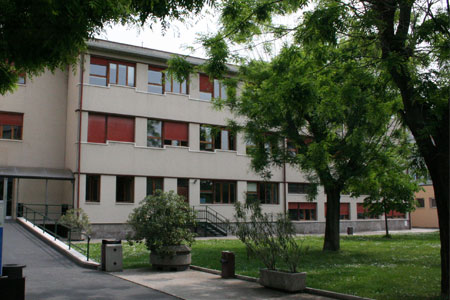
Research Activities. Research is primarily conducted at the WHO Centre for Research in Mental Health, located in a dedicated building within the "G.B. Rossi" University Hospital area in Verona. Within the Section, several research groups are active in the following areas:
• evaluation of patterns of care and costs within mental health services; social determinants of mental disorders; health geography applied to mental health; inequalities in access to health and social services in general, with a particular focus on the LGBTI community;
• studies on the relationship between physical illnesses and mental health, particularly in the field of psychosomatic medicine (functional disorders, asthma, rheumatic diseases, hematological disorders, etc.);
• studies on treatment outcomes for mental disorders and on the clinical, environmental, social, and genetic factors influencing them; implementation of trials on psychosocial interventions;
• clinical psychopharmacology, drug epidemiology, and studies on the effectiveness of pharmacological interventions;
• studies on the effectiveness of WHO-developed psychosocial interventions aimed at promoting mental health and preventing the onset of mental disorders in vulnerable populations such as refugees, asylum seekers, and migrants;
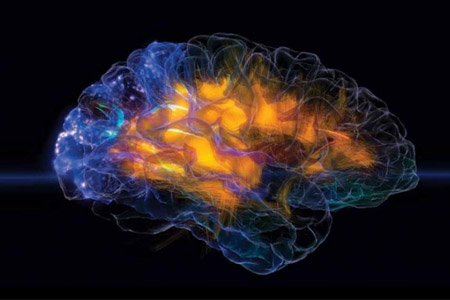
• brain imaging studies, particularly focusing on schizophrenia spectrum disorders and bipolar disorder;
• assessment of stigma associated with mental disorders and implementation of effective anti-stigma strategies; promotion of human rights of people with mental disorders and of mental health advocacy actions; evaluation and development of interventions aimed at fostering active user involvement in mental health care and research.
Teaching Activities. The academic staff of the Section are involved in teaching within the degree programs in Medicine and Surgery; Dentistry; Psychiatric Rehabilitation Techniques; Exercise and Sport Sciences; Nursing; Midwifery; and Social Work. They also teach in the School of Specialization in Psychiatry (affiliated with the Section itself), as well as in other Specialization Schools of the University of Verona, and in various Master's and Postgraduate programs. Furthermore, training and teaching activities are provided within the PhD Program in Psychological and Psychiatric Sciences.
Clinical Activities. The Section of Psychiatry comprises two Clinical Units (UOC): UOC of Psychiatry B; UOC of Psychosomatics and Clinical Psychology. Clinical activities are carried out at the G.B. Rossi University Hospital (Psychiatric Clinic and outpatient departments), at the South-Verona Community Mental Health Centre (a multifunctional facility providing outpatient care, day services, crisis intervention, and home visits), within residential facilities (dedicated to the treatment and rehabilitation of patients requiring long-term care), and in community-based outpatient services. These facilities constitute the South-Verona Community Psychiatric Service, which serves an area of over 100,000 inhabitants. The Service, based on a public health model, is grounded in the key principle of continuity of care—both longitudinal (across different phases of treatment) and transversal (across the various components of the Service). Additional specialized outpatient and psychotherapeutic activities are provided at the Eating Disorders Service, a Regional Reference Centre for Eating Disorders, and at the UOC of Psychosomatics and Medical Psychology. The latter provides care for outpatients with psychiatric disorders comorbid with physical illnesses, and delivers psychological-psychiatric consultations for inpatients and day-hospital patients across the various departments of the University Hospital (approximately 800 beds), in collaboration with psychologists from the Section of Clinical Psychology.
- Department
Overview
Contact us
- Research
Research in brief
Research activities
- Teaching

PhD programmes and postgraduate training
Teaching services
- Community Engagement

Information for community
Our services
Contact us
- People
- contacts
-